
The Allure of Risk in Gambling
The thrill of gambling often stems from the inherent risk associated with it. Individuals are drawn to the excitement of wagering money on uncertain outcomes, which can evoke intense emotions ranging from anticipation to exhilaration. This psychological phenomenon can be attributed to our brain’s reward system, which releases dopamine, a neurotransmitter that enhances feelings of pleasure when the outcome is favorable. The possibility of winning, coupled with the excitement of potential loss, ignites a powerful drive to engage in risk-taking behaviors, such as considering nrl betting odds when placing bets on games. This interplay between risk and reward creates a magnetic pull that encourages players to return to the gaming tables.
Moreover, risk in gambling is not merely about the monetary stakes; it also involves personal factors such as the individual’s perception of luck, confidence, and previous experiences. For many, the ability to control their circumstances by making strategic decisions adds a layer of cognitive engagement, which can further compound their attraction to games of chance. This cognitive engagement allows players to feel a sense of mastery over their environment, even when the outcomes are fundamentally random. Understanding the psychological mechanisms at play is essential to fathom why people willingly embrace risks, even when the odds are stacked against them.
Additionally, social dynamics play a significant role in the risk-taking behavior observed in casino gaming environments. The communal atmosphere, often accentuated by cheering crowds or the tension of group play, creates an adrenaline-fueled experience. This social interaction can amplify an individual’s desire to take risks as they seek to impress peers or feel a sense of belonging. The synergy of individual psychological drivers and social influences forms a compelling reason for the ongoing popularity of gambling activities, as players often find camaraderie and shared excitement in their pursuit of fortune.
The Role of Emotion in Risk-Taking
Emotions significantly influence the decision-making processes involved in risk-taking. In casino games, players often experience heightened emotions, including excitement, anxiety, and even fear. These emotions can lead to impulsive decisions, such as chasing losses or betting larger amounts than initially intended. For instance, the thrill of a near-win can create a sense of false hope, urging players to continue risking their money in the hopes of achieving that elusive jackpot. This emotional rollercoaster can cloud rational judgment, leading to behaviors that are often counterproductive, as players become trapped in a cycle of heightened stakes and emotional responses.
Furthermore, the psychology of risk-taking is intricately linked to concepts of loss aversion and the gambler’s fallacy. Loss aversion suggests that individuals fear losses more than they value gains, which can create a compulsion to recover losses even when it is financially unwise. This behavioral tendency can result in a cycle of risk-taking that keeps players engaged, despite evidence suggesting that they should walk away. Understanding how emotions drive these behaviors is crucial for anyone looking to engage with gambling, whether for pleasure or research, as it highlights the need for emotional regulation in high-stakes environments.

Lastly, emotions can also act as a double-edged sword, providing both motivation and deterrence. While the thrill of the game can prompt players to take risks, feelings of guilt, regret, or anxiety may eventually lead them to reconsider future gambling actions. Acknowledging this emotional aspect of gambling is vital for developing healthier attitudes toward risk and learning how to manage emotional responses during gameplay. Recognizing when emotions are steering decisions can empower players to make more informed choices, potentially leading to a more balanced approach to gambling.
The Psychology of Superstitions in Gambling
Superstitions are a fascinating aspect of gambling psychology, as many players hold firm beliefs that certain actions or rituals can influence their luck. These behaviors often arise in environments where the outcomes are uncertain, and players seek to exert some control over randomness. Common superstitions include using lucky charms, avoiding specific numbers, or performing rituals before placing bets. Such actions highlight the human tendency to search for patterns and meaning, even in inherently unpredictable situations. These rituals become a source of comfort and control, allowing players to feel a sense of agency in an otherwise chaotic environment.
Interestingly, engaging in these superstitions can reinforce a player’s commitment to risk-taking. For example, if a particular ritual coincides with a win, players may be more inclined to repeat the behavior in the future, despite the lack of any causal link between the two. This cyclical dependency can lead to an escalation in risk-taking as players become more entrenched in their beliefs about luck and chance. The psychology behind these superstitions also connects to broader themes of cognitive bias, where individuals interpret random events through a subjective lens, reinforcing their beliefs regardless of evidence to the contrary.
Moreover, the community of gamblers often reinforces superstitious behaviors, as players share tips and beliefs with one another. This social aspect can create a culture where irrational beliefs about luck thrive, further influencing the way individuals approach risk-taking in casino games. Understanding the role of superstition in gambling psychology provides valuable insights into why some players may continue to engage in risky behaviors despite negative outcomes. This insight can also inform strategies for responsible gaming, encouraging players to critically evaluate their beliefs and behaviors regarding luck and risk.
Addiction and Risk-Taking in Gambling
Gambling addiction represents one of the most challenging manifestations of risk-taking behavior. The fine line between casual gambling and addiction often blurs as individuals become more engrossed in the excitement and potential rewards. Psychological factors such as impulsivity, heightened emotional states, and a quest for thrill may escalate the risk-taking behavior to dangerous levels. Individuals may find themselves in a spiral where, despite negative consequences, they are unable to resist the urge to gamble. This addiction can lead to severe financial and emotional distress for both the individual and their loved ones, creating a complex web of challenges that requires careful navigation.
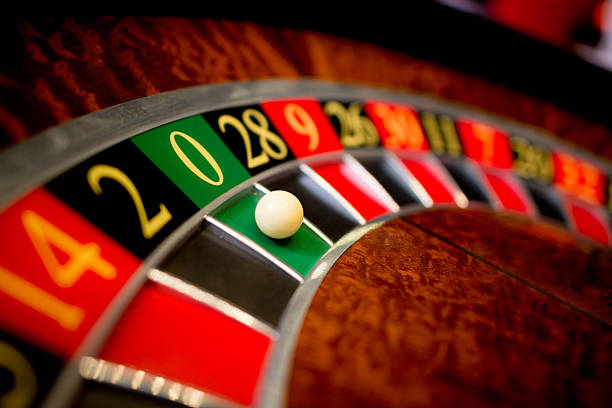
This addiction often stems from the same psychological mechanisms that attract people to gambling in the first place—namely, the pleasure derived from risk and the escape it offers. The cycle of winning and losing creates a volatile environment where players can experience intense emotional highs and lows, leading them to gamble as a maladaptive coping mechanism for stress or depression. Understanding the psychological underpinnings of gambling addiction is crucial for fostering awareness and promoting healthier gambling habits. Education about the risks associated with gambling can empower individuals to make more informed choices, potentially steering them away from the pitfalls of excessive risk-taking.
Furthermore, recognizing the signs of gambling addiction, such as increased time spent gambling, neglecting responsibilities, and experiencing withdrawal symptoms, is essential for intervention. Support systems, including counseling and therapy, can help individuals navigate their relationship with risk and develop healthier approaches to gambling. The journey towards recovery not only involves addressing the addiction itself but also understanding the psychological drivers that led to risk-taking behaviors in the first place. Through this understanding, individuals can learn to replace harmful habits with more positive and fulfilling activities.
Understanding the Casino Experience Through Psychology
The environment of a casino is meticulously designed to enhance the thrill of gambling while simultaneously encouraging risk-taking behavior. Aspects such as lighting, sounds, and even the layout of games play a significant role in shaping the player experience. Casinos often employ strategies to create a sensory-rich atmosphere that keeps individuals engaged and incentivizes them to take risks. The use of bright lights and celebratory sounds can create an illusion of near-wins, further enticing players to continue their pursuits. Understanding these design elements can offer valuable insights into why people are drawn to gamble in these settings and how they may be influenced by their surroundings.
Moreover, the psychology behind advertising and promotions in the casino industry further entices players to take risks. Marketing strategies often appeal to emotions, emphasizing the joy of winning and the exclusivity of the gaming experience. This creates a narrative that can make gambling seem more appealing and less risky than it actually is. By understanding the psychological tactics employed in these contexts, players can become more aware of their own motivations and responses to risk. This awareness can empower them to approach gambling with a more critical mindset, allowing for better decision-making during gameplay.
Ultimately, gaining insight into the psychological dynamics of the gaming environment can empower gamblers to make more informed choices. By recognizing the interplay of emotions, social influences, and environmental factors, individuals can better navigate their own risk-taking behaviors and approach gambling with a more balanced perspective. This awareness can transform the gambling experience from one of impulsivity to one of thoughtful engagement, encouraging players to enjoy the entertainment aspects while remaining mindful of their own limits and the potential consequences of their actions.